When the Seasons Change: How to Adjust the Planting on a Gravesite

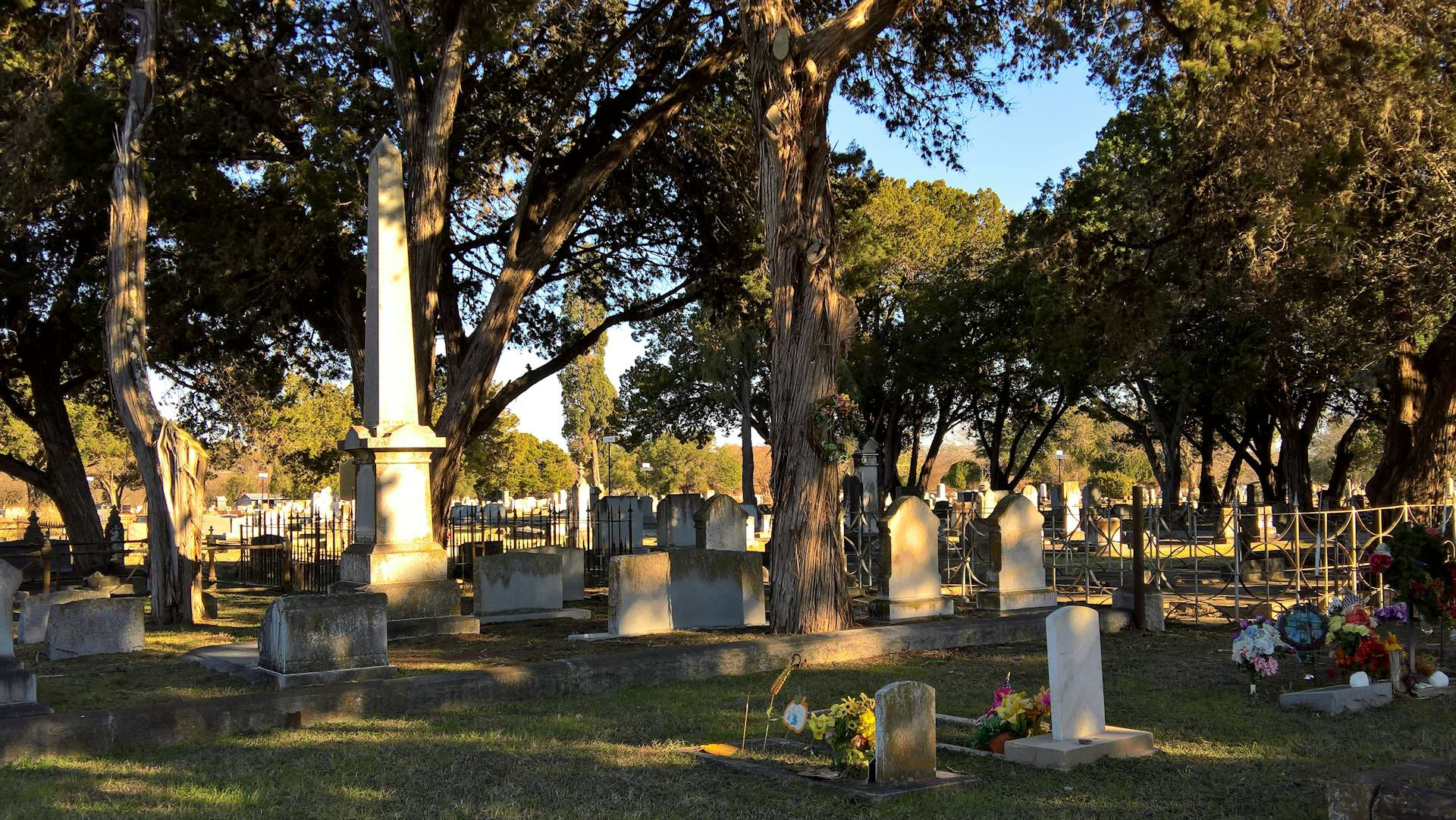
When the Seasons Change: How to Adjust the Planting on a Gravesite
A gravesite is a place of remembrance and peace—a space where nature’s rhythm can bring comfort and continuity. But plants respond differently to each season, and keeping the site beautiful year-round takes a bit of planning. Here’s how you can adjust the planting to reflect the changing seasons while maintaining a serene and well-tended appearance.
Understanding the Rhythm of the Seasons
Each season brings its own challenges. Winter can be harsh with frost and snow, while summer heat can dry out the soil. By choosing plants suited to your local climate and the season’s conditions, you can ensure the gravesite remains attractive with minimal upkeep.
A good approach is to think in layers: evergreen plants for structure throughout the year, combined with seasonal flowers that bring color and life as the months change.
Spring: A Time for Renewal
Spring is the season of awakening, when the gravesite can come back to life after winter’s rest. Begin by clearing away fallen leaves and debris, loosening the soil, and adding a light fertilizer.
Choose early bloomers that can handle cool nights and bring cheerful color:
- Daffodils, tulips, and crocuses offer classic spring beauty.
- Pansies and primroses thrive in both sun and partial shade and bloom for weeks.
- Forget-me-nots carry a touching symbolism of remembrance.
Spring is also a good time to trim evergreens and shape them so they stay compact and tidy.
Summer: Color and Abundance
Summer brings warmth and sunlight—perfect for vibrant displays, but also a time when plants need regular watering and care.
Select summer flowers that can handle heat and occasional dry spells:
- Geraniums, marigolds, and petunias provide bright, lasting color.
- Hostas and coral bells (Heuchera) add texture and thrive in shaded spots.
- Lavender offers fragrance and attracts pollinators, adding a gentle, natural touch.
Water regularly during hot periods, and remove spent blooms to encourage new growth.
Fall: Subtle Colors and Preparation
Fall is a season of transition, when colors deepen and nature prepares for rest. Choose plants that bring life even as temperatures drop.
- Mums and ornamental kale add rich color well into late fall.
- Heather and ivy provide texture and stay attractive as the weather cools.
- Small shrubs like cotoneaster produce red berries that last into winter.
Autumn is also the time to plant bulbs for next spring, ensuring the gravesite will bloom again when the cold recedes.
Winter: Quiet and Structure
In winter, focus on maintaining structure and calm. Most flowers fade, but evergreens keep the site looking cared for.
- Boxwood, dwarf spruce, and juniper provide form and greenery all winter.
- Winter-hardy heather can add subtle color.
- You can also decorate with pine boughs, cones, or moss, creating a natural and respectful winter arrangement.
Keep the area clear of fallen leaves and snow so it remains neat and accessible.
Læs også:

Thinking About Symbolism and Harmony
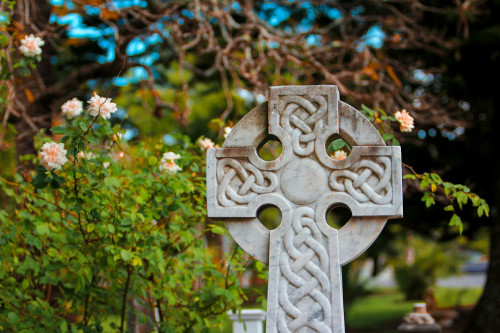
A gravesite is more than a planting—it’s a reflection of love and memory. Many people choose plants with symbolic meaning: forget-me-nots for remembrance, roses for love, or evergreens for eternal life.
Consider how colors and shapes work together. Simple, harmonious combinations often create the most peaceful effect, while small personal touches—like a stone, candle, or small ornament—can make the space uniquely meaningful.
Practical Maintenance Tips
- Plan according to your availability. If you can’t visit often, choose hardy, low-maintenance plants.
- Use mulch or decorative gravel to suppress weeds and retain soil moisture.
- Check cemetery regulations, as some have guidelines for plantings and decorations.
- Ask about maintenance services if you’d like help with seasonal care or planting.
A Living Tribute Through the Year
By adjusting the planting with the seasons, you create a gravesite that follows nature’s rhythm—always dignified, always cared for. With a little planning, it becomes a living tribute that changes with the year yet remains a constant expression of remembrance and love.
Læs også: