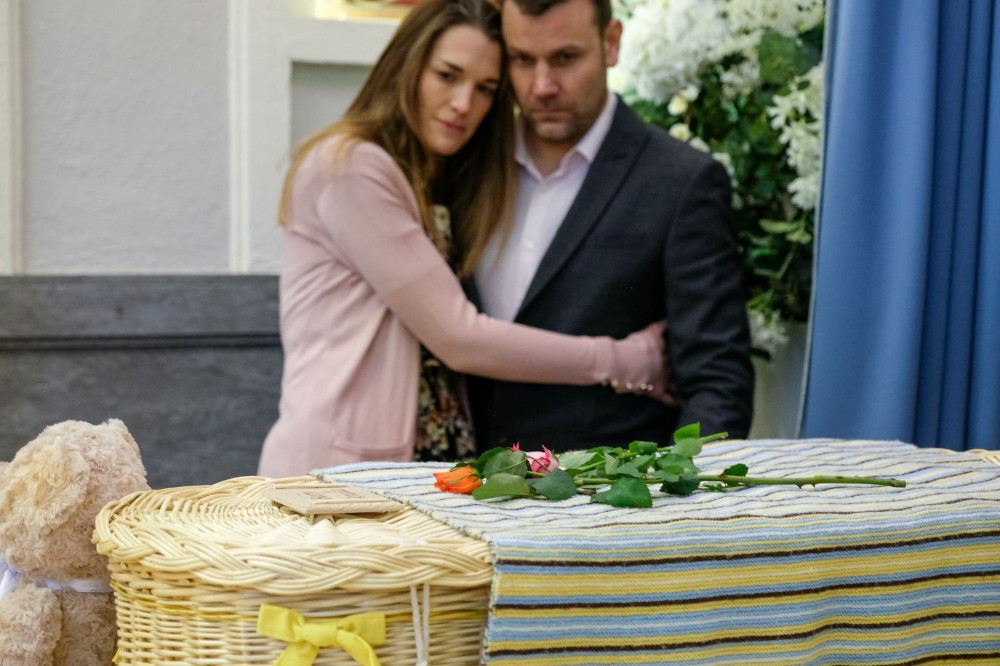
The Road Back to Joy – On Support, Hope, and New Perspectives in Grief


The Road Back to Joy – On Support, Hope, and New Perspectives in Grief
When we lose someone we love, the world can change in an instant. The routines, conversations, and plans that once filled our days may suddenly feel empty and unfamiliar. Grief can seem overwhelming—but even in the darkest moments, there are small glimmers of hope, support, and new perspectives. This article explores how we can slowly find our way back to joy, without forgetting the person we have lost.
Grief as an Expression of Love
Grief is not a sign of weakness; it is a reflection of love. It shows that someone mattered deeply and that the bond still lives within us. Over time, grief often changes shape—from an all-consuming pain to a quiet companion that reminds us of what we shared.
It’s important to give grief space. Crying, talking, writing, or simply sitting in silence can all be ways to process loss. There is no right or wrong way to grieve, and no timeline that fits everyone. What matters most is listening to yourself and accepting that healing takes time.
The Power of Support – When Community Carries Us
Although grief can feel isolating, it’s rarely a journey we should take alone. Reaching out to family, friends, or professionals can make a profound difference. Many find comfort in connecting with others who have experienced similar losses—through support groups, community organizations, or faith-based gatherings.
In the early days, practical help can also be invaluable. Letting others cook a meal, run errands, or simply sit with you can provide a moment of relief. Often, loved ones want to help but don’t know how—so it can be helpful to tell them what you need, even if it feels difficult to ask.
Across the United States, there are many resources for those in grief: local hospice programs, counseling centers, and national organizations such as GriefShare or The Compassionate Friends. These communities remind us that we are not alone, and that shared understanding can be a powerful source of healing.
Hope as a Quiet Companion
At first, hope may feel distant or even impossible. But over time, small moments of peace, laughter, or gratitude can remind us that life still holds light. Hope is not about forgetting—it’s about believing that meaning and joy can return, in new and unexpected ways.
For some, hope emerges through nature, music, or creative expression. For others, it comes through faith, meditation, or conversation. It might be a walk in the park, a cup of coffee with a friend, or a memory that brings warmth instead of pain. These moments are signs that life is gently moving forward, even as we carry our love with us.
Læs også:



New Perspectives – How Grief Changes Us
Loss can transform the way we see the world. Many people find that grief opens new perspectives: a deeper understanding of what truly matters, and a greater compassion for others. This doesn’t mean we are grateful for the pain, but that we can find strength in the transformation it brings.
Some choose to honor their loved one through volunteer work, advocacy, or creative projects. Others find meaning in supporting those who are newly grieving. These acts can give direction to our sorrow—allowing love to continue through what we do.
Finding Joy Again
Joy after loss looks different than it did before. It is often quieter, more mindful, and more rooted in the present. The goal is not to return to the life we had, but to build a new one—one that holds both grief and joy side by side.
Allow yourself to feel happiness without guilt. To laugh, to travel, to dream again—these are not betrayals of the past, but affirmations of life. They show that love endures, not only in memory but in the way we continue to live.
The road back to joy is rarely straight. It is made of small steps, setbacks, and new beginnings. But with support, hope, and time, we can find balance again—and discover that even in grief, life can feel whole and deeply alive.
Læs også: