Secular Funeral: Community and Reflection Beyond Religious Boundaries

Secular Funeral: Community and Reflection Beyond Religious Boundaries
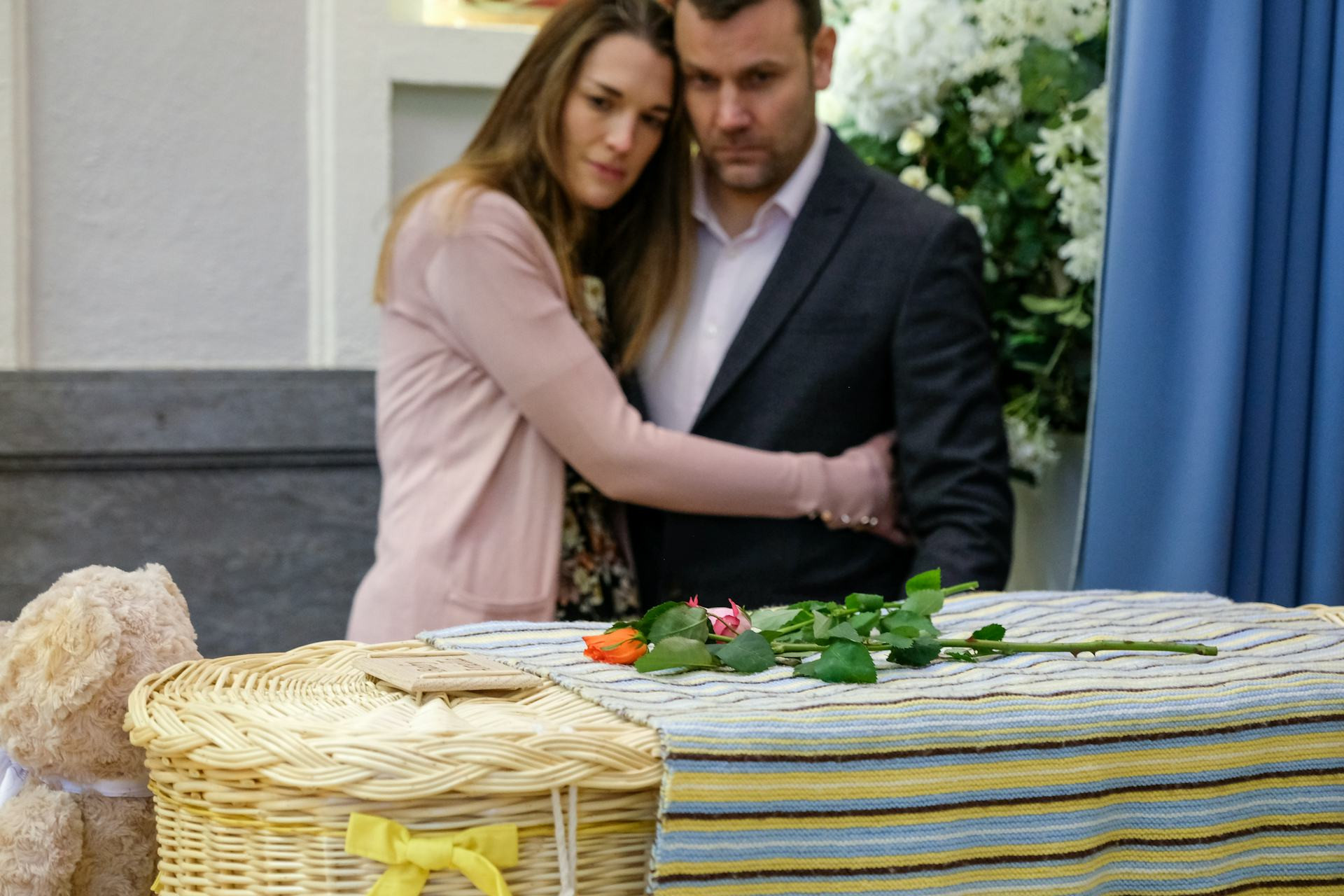
A secular funeral offers a personal and meaningful way to say goodbye—without the religious framework that often defines traditional services. For many Americans, it’s an opportunity to honor a loved one’s life, values, and individuality in a way that feels authentic. Whether held in a funeral home, a park, a community center, or even a family backyard, a secular ceremony can be as solemn or as simple as the family wishes.
As more people in the United States identify as nonreligious or simply prefer a more personal farewell, secular funerals have become an increasingly common choice. But what exactly defines a secular funeral, and how can families plan one that feels right?
What Is a Secular Funeral?
A secular funeral is a ceremony that takes place without religious rituals or clergy. Instead of following a prescribed order of service, it focuses on the life and legacy of the person who has passed. The event can be held almost anywhere that is meaningful and appropriate—indoors or outdoors, in a funeral home chapel, a rented hall, or a natural setting.
The ceremony is often led by a celebrant, a funeral director, or a family member who guides the proceedings, welcomes guests, and shares reflections. The content is entirely flexible: music, readings, personal stories, photos, or even moments of silence can all be included. The goal is to create a farewell that feels true to the person being remembered and comforting to those who gather.
Læs også:

Planning and Preparation
Planning a secular funeral usually begins with a conversation among close family members and the funeral director or celebrant. Together, they discuss practical matters such as the location, date, burial or cremation arrangements, and any legal requirements.
Once those details are settled, attention turns to the personal elements:
- Who will speak? Family members, friends, or a professional celebrant can share memories or reflections.
- What music will be played? Many families choose songs that held special meaning for the deceased—anything from classical pieces to favorite contemporary tracks.
- How will the space be arranged? Flowers, photographs, candles, or personal items can help create a warm and intimate atmosphere.
It’s often helpful to prepare a simple program outlining the order of events. This gives guests a sense of structure and allows them to follow along comfortably.
Community and Reflection
Although a secular funeral does not include religious elements, it can still be deeply spiritual in its own way. The absence of formal rituals often opens space for genuine connection and heartfelt expression. Guests may share stories, laughter, and tears, finding comfort in one another’s presence.
Such ceremonies invite reflection—not only on the life of the person who has died but also on the shared human experience of love, loss, and memory. When people come together to remember, they often discover a sense of unity that transcends belief systems. In this way, a secular funeral can be both a celebration of individuality and a reminder of our common humanity.
After the Ceremony
Following the service, many families choose to gather for a reception or memorial gathering. This might be a meal at a favorite restaurant, coffee and dessert at home, or a casual get-together in a community space. These moments of shared remembrance can be just as meaningful as the ceremony itself, offering time to talk, laugh, and support one another.
Some families also choose to mark the memory later—by planting a tree, creating a memorial bench, or holding an annual gathering. These gestures help keep the person’s memory alive and provide ongoing opportunities for reflection and connection.
A Personal and Meaningful Farewell
Ultimately, a secular funeral is about freedom—the freedom to say goodbye in a way that feels right. Without the constraints of tradition or doctrine, families can craft a ceremony that truly reflects the life, personality, and values of their loved one.
It may take a bit more planning and creativity, but the result is often a farewell that feels deeply personal and profoundly moving. A moment where community and reflection come together—beyond religious boundaries, yet filled with respect, love, and meaning.
Læs også: