Anniversaries and Milestones: Small Rituals That Keep Memories Alive

Anniversaries and Milestones: Small Rituals That Keep Memories Alive
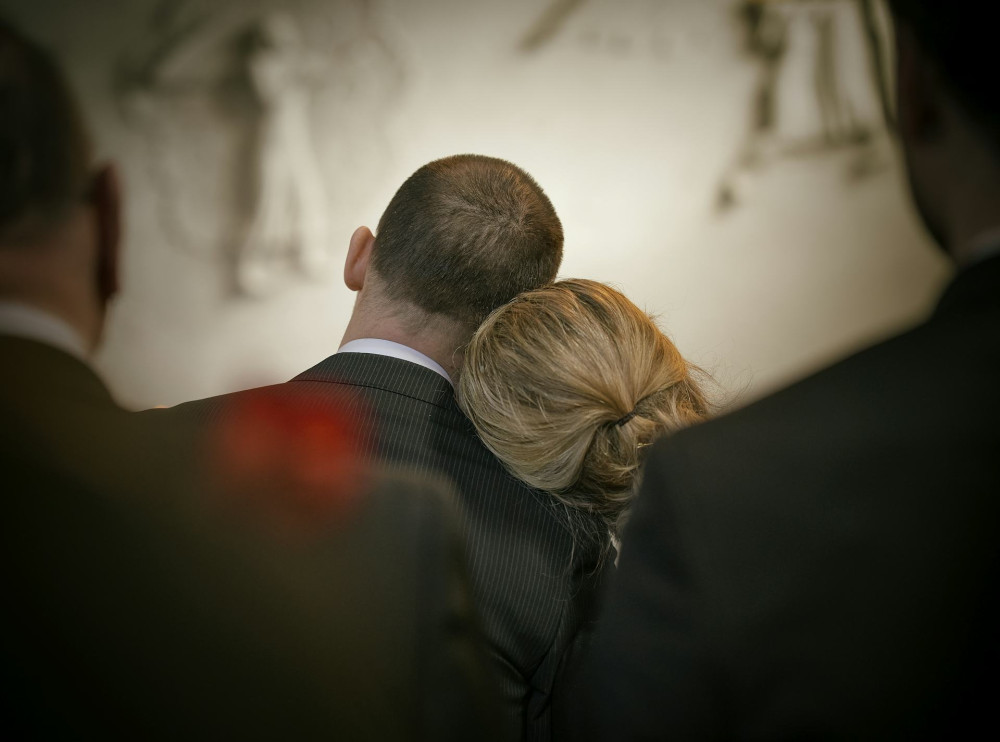
When we lose someone we love, time changes. Days and years take on new meanings, and certain dates can stir both sorrow and warmth. Anniversaries and milestones become small markers in the calendar—moments to pause, remember, and feel connected to the person who is no longer here. These rituals can be quiet and personal or shared and ceremonial, but what they have in common is their power to keep memories alive.
Why Anniversaries Matter
Human beings have always marked the passage of time through rituals. Birthdays, weddings, and holidays give structure and meaning to our lives—and the same is true when we remember those we’ve lost. A death anniversary or a birthday can become an opportunity to revisit memories, not to dwell in grief, but to honor the love that remains.
For many, it brings comfort to have specific times set aside to miss someone. These moments create balance between the busyness of everyday life and the emotions that still live beneath the surface. Anniversaries become small anchors in time—a way to give grief its space without letting it take over everything.
Small Rituals That Make a Difference
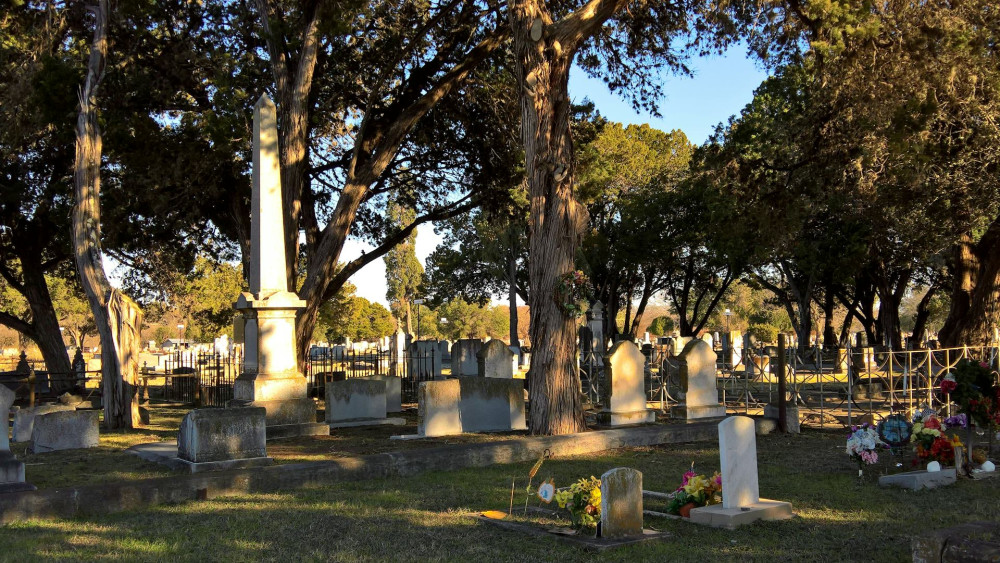
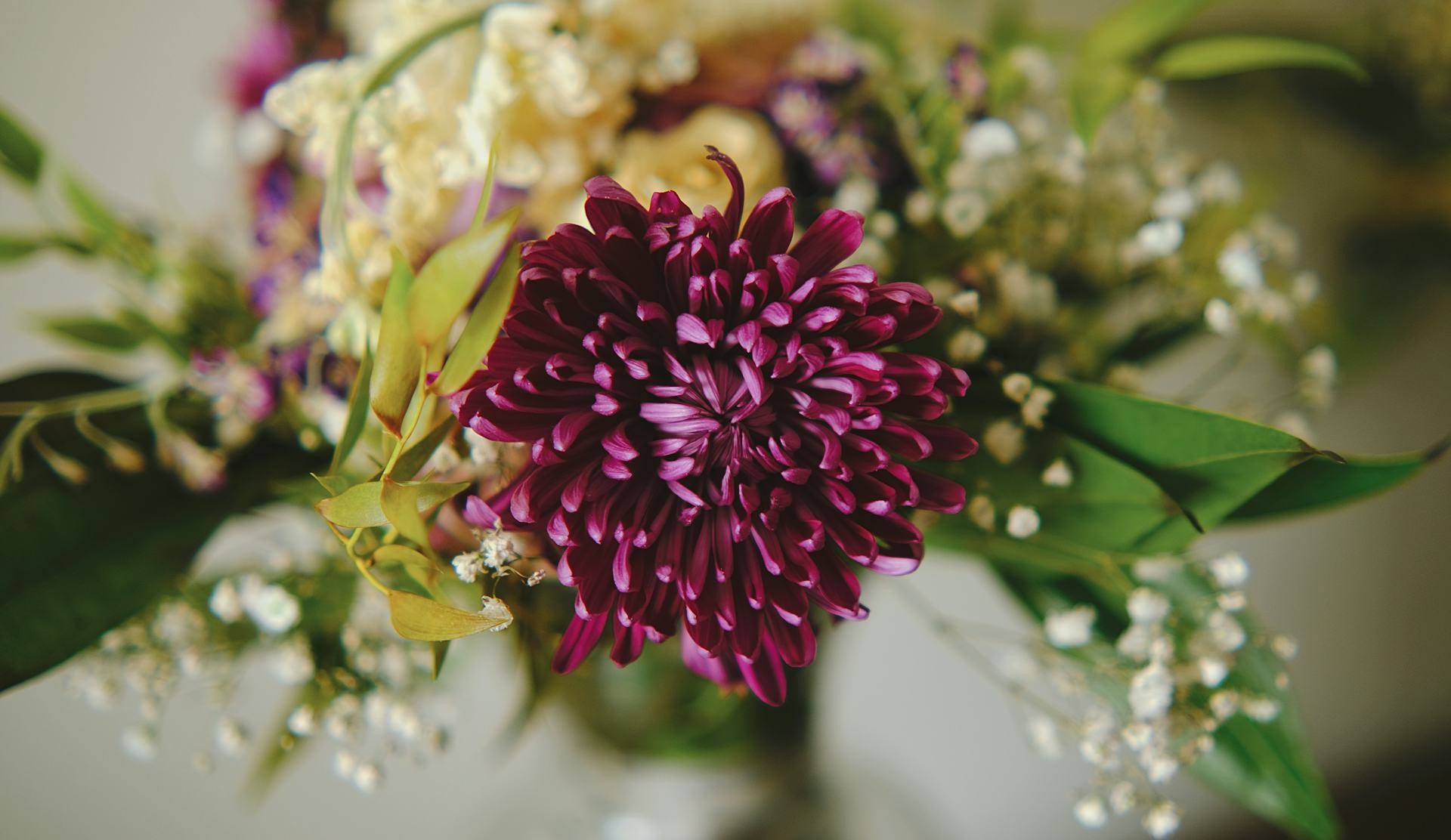
There is no right or wrong way to remember. Some people visit a gravesite, light a candle, or bring flowers. Others choose to do something that held meaning for the person who passed—take a walk in a favorite park, cook a special meal, or listen to music that brings back memories.
Here are a few simple ways to mark an anniversary:
- Light a candle at home – a symbol that love still burns bright.
- Share memories with others – tell stories, look through photos, or create a small memory box.
- Write a letter – to the person you miss or to yourself, as a way to express what’s in your heart.
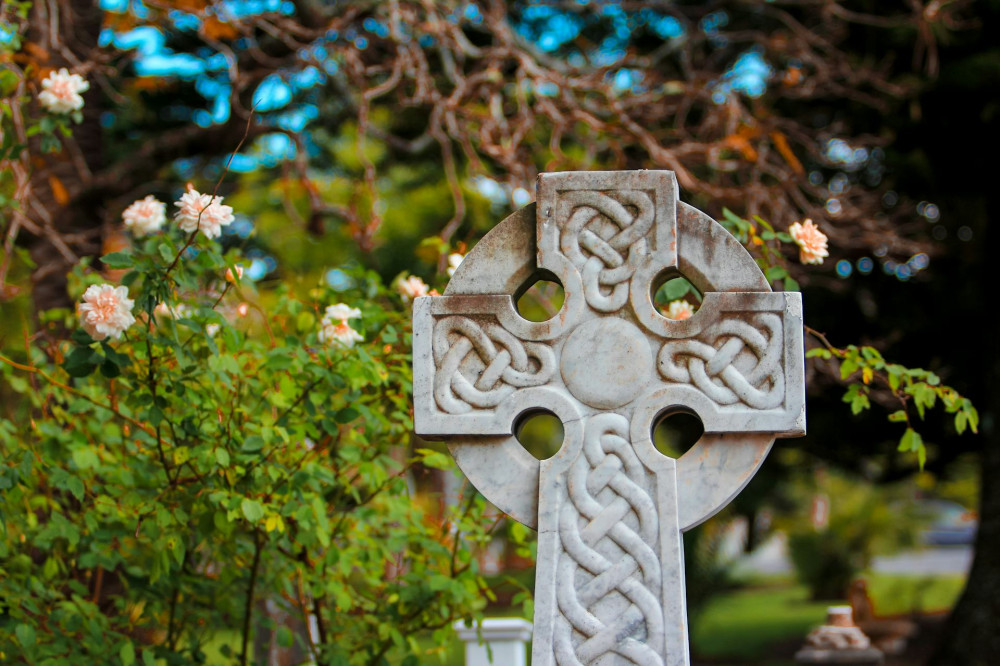
- Plant something living – a tree, a flower, or even a small garden that grows and changes with time.
- Start a tradition – an annual dinner, a walk, or a donation in your loved one’s name.
What matters most is that the ritual feels meaningful to you. It doesn’t have to be grand or formal—often, the smallest gestures feel the most genuine.
When Anniversaries Bring Mixed Emotions
Even years after a loss, anniversaries can stir strong feelings. Some people find that grief resurfaces, while others feel guilty that the pain isn’t as sharp as it once was. Both reactions are natural. Grief changes shape over time—it doesn’t disappear, but it becomes woven into the fabric of life.
If an anniversary feels heavy, it can help to plan ahead. Think about how you want to spend the day and who you might want to share it with. It’s also perfectly okay to skip a year—to take a break and return to the ritual when you’re ready.
The Power of Community
Many find comfort in sharing anniversaries with others who knew the person who died. Family, friends, or a community gathering can offer a sense of connection and belonging. Coming together to remember allows space for both tears and laughter.
In some families, these anniversaries become traditions passed down through generations. Children and grandchildren learn who their loved one was and how that love continues through stories and shared memories. In this way, remembrance becomes part of the family’s story—not as something heavy, but as a celebration of continuity and love.
Læs også:
Finding Your Own Way to Remember
There’s no single formula for how to mark an anniversary. Some people need structure; others prefer spontaneity. The most important thing is that it feels right for you—that the day holds meaning rather than obligation.
Anniversaries and milestones remind us that love and loss are intertwined. They give us a chance to honor the past while continuing to live fully in the present. When we light a candle, share a story, or simply whisper a quiet “thank you,” we keep the connection alive—not to the pain, but to the love that endures.
Læs også: