Listen to Your Body: Strengthen Your Body Awareness and Find the Balance Between Activity and Rest


Listen to Your Body: Strengthen Your Body Awareness and Find the Balance Between Activity and Rest
In a culture that often celebrates busyness and constant productivity, it can be easy to lose touch with what our bodies are trying to tell us. We push ourselves to meet deadlines, hit fitness goals, and stay connected 24/7—but in doing so, we sometimes forget that rest and recovery are just as essential as action. Listening to your body isn’t about doing less; it’s about finding the right rhythm between movement and stillness, effort and ease.
What Does It Mean to Listen to Your Body?
Listening to your body means paying attention to the signals it sends—both the subtle and the obvious ones. Maybe it’s tightness in your shoulders, fatigue that doesn’t go away, or a burst of energy that tells you you’re ready to move. Your body is constantly communicating, but many of us have learned to tune it out.
Body awareness is about rebuilding the connection between body and mind. When you become more attuned to how you feel physically, you also gain insight into your emotional and mental state. This awareness can help prevent burnout, injuries, and stress, and it can guide you toward a more sustainable and fulfilling lifestyle.
Activity: Moving with Intention
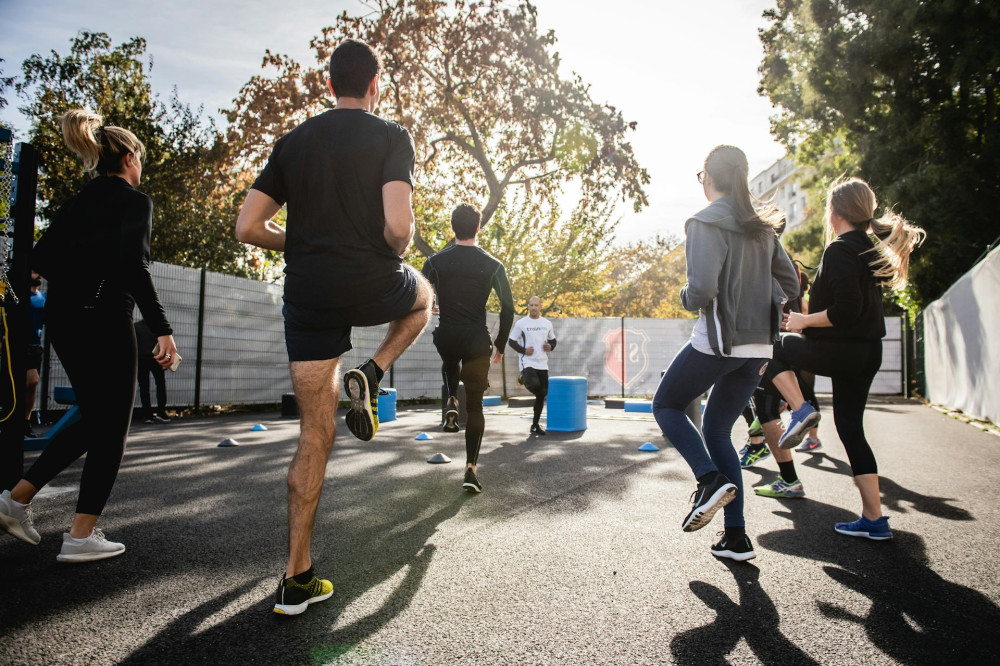
Physical activity is a cornerstone of good health, but it’s not just about how much you move—it’s about how you move. When you bring mindfulness into your workouts, you strengthen not only your muscles but also your relationship with your body.
- Choose movement that feels good. Whether it’s running, hiking, yoga, dancing, or walking your dog, the best exercise is the one you enjoy.
- Be present while you move. Notice your breath, your posture, and how your body responds to each motion.
- Honor your body’s daily rhythm. Some days you’ll feel strong and energized; other days you’ll need to take it slow. Both are valid.
When you move with awareness, exercise becomes more than a task—it becomes a way to connect with yourself.
Rest: The Missing Piece of Wellness
Rest isn’t the opposite of activity—it’s what allows your body to recover, adapt, and grow stronger. Yet in a society that prizes hustle, rest is often undervalued. Sleep, downtime, and quiet moments are not luxuries; they’re necessities for both physical and mental health.
Rest can take many forms: a full night’s sleep, a few minutes of deep breathing, a quiet cup of coffee in the morning, or simply stepping away from screens for a while. The goal is to give your nervous system a chance to reset.
If you struggle to unwind, try creating small rituals: turn off devices 30 minutes before bed, take a short walk after dinner, or practice a few mindful breaths when you feel tension rising. These small acts can make a big difference.
Finding Your Personal Balance
There’s no universal formula for the perfect balance between activity and rest—it’s deeply personal and depends on your lifestyle, temperament, and needs.
Start by observing your energy levels throughout the day. When do you feel most alert? When do you tend to fade? Use that information to plan your day in a way that supports your natural rhythms.
You might also keep a simple journal to track how you feel after different types of activity and rest. Over time, patterns will emerge that can help you fine-tune your habits and routines.
Practicing Body Awareness in Everyday Life
Body awareness doesn’t have to be reserved for the gym or the yoga mat. You can practice it in small, everyday moments:
- When standing in line, notice your feet on the ground and your breathing.
- When eating, pay attention to taste, texture, and your sense of fullness.
- When working, check in with your posture and tension levels.
These small check-ins help you stay present and respond to your body’s needs before discomfort turns into pain or exhaustion.
Læs også:



A Life in Balance
Learning to listen to your body is an ongoing journey. It takes patience, curiosity, and a willingness to adjust when something doesn’t feel right. But the rewards are worth it: more energy, fewer injuries, better sleep, and a deeper sense of calm.
When you find your balance between activity and rest, your body stops being something to control and becomes a trusted partner—guiding you toward a healthier, more harmonious life.
Læs også: