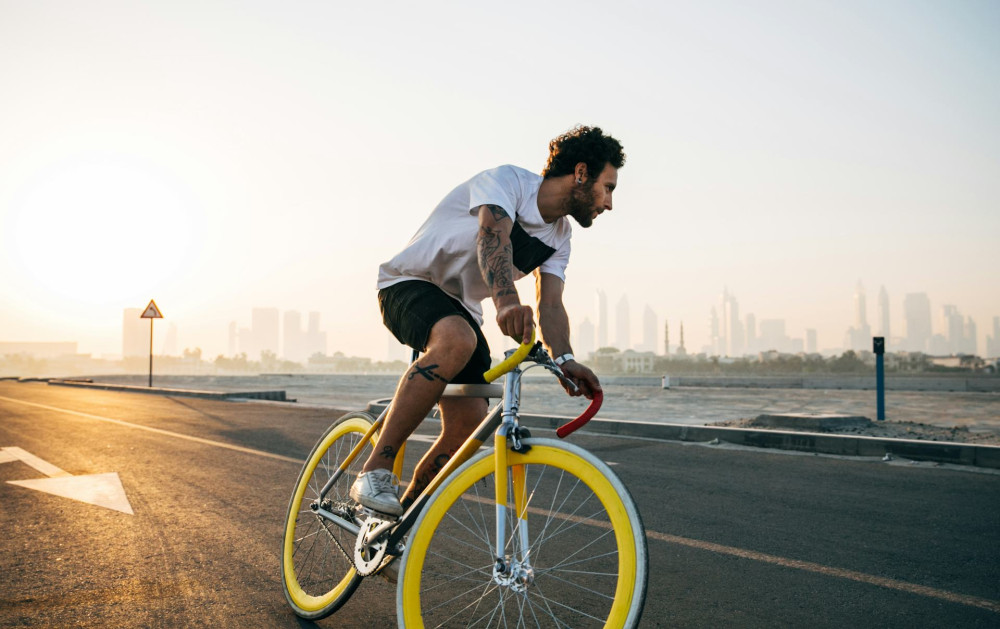
Bike Safely in Traffic – and Be Considerate of Everyone on the Road

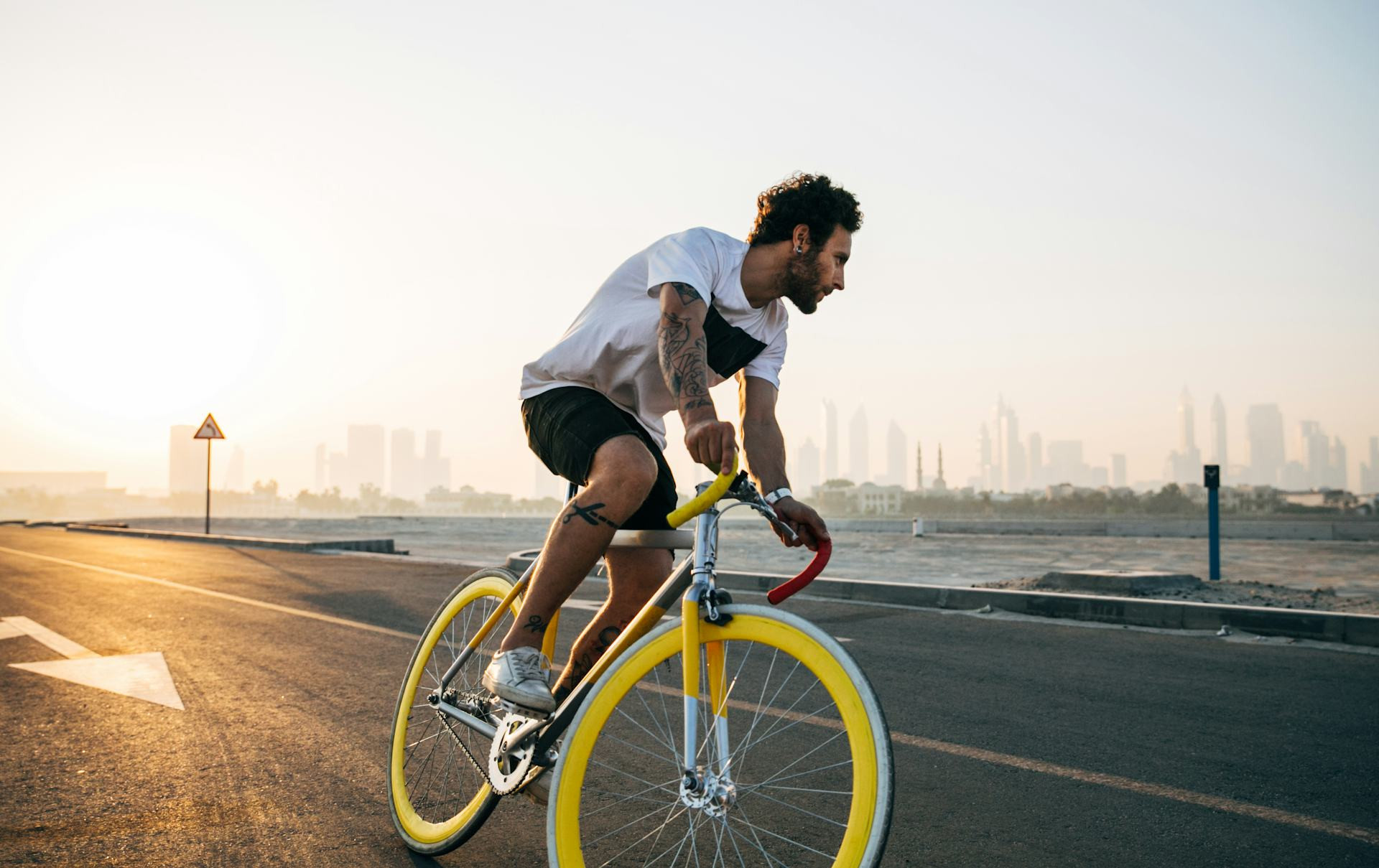
Bike Safely in Traffic – and Be Considerate of Everyone on the Road
For many Americans, biking is more than just a way to get from point A to point B. It’s a healthy, eco-friendly, and enjoyable way to move through the city or explore the outdoors. But sharing the road with cars, buses, and pedestrians requires awareness and respect. Whether you’re commuting to work, heading to class, or riding for fun, there’s a lot you can do to keep yourself and others safe. Here’s a guide to biking safely in traffic – and being considerate of everyone on the road.
Know the Rules – and Follow Them
Traffic laws exist to protect everyone, and cyclists are part of that system. Knowing and following the rules isn’t just about avoiding tickets – it’s about making your movements predictable to others.
- Ride with traffic, not against it. Always stay on the right side of the road.
- Obey traffic signals and stop signs, even if the intersection looks clear.
- Use hand signals when turning or stopping so drivers and other cyclists can anticipate your moves.
- Stay in bike lanes when available, and avoid sidewalks unless local laws allow it.
Predictability is key. When everyone knows what to expect, the road becomes safer for all.
Make Yourself Visible – Day and Night
Many bike accidents happen because drivers simply don’t see the cyclist in time. Visibility is one of your best defenses.
- Use lights – a white light in front and a red light in back – from dusk to dawn and in poor weather.
- Add reflectors to your pedals, wheels, and clothing.
- Wear bright or reflective gear, especially in low-light conditions.
Even during the day, dark clothing can make you blend into the background. A reflective vest or ankle band can make a big difference.
Wear a Helmet – It’s Just Common Sense
In most states, adults aren’t required by law to wear a helmet, but it’s one of the simplest ways to prevent serious injury. A properly fitted helmet should sit level on your head and be snug under your chin.
For kids, helmets are often mandatory – and as an adult, wearing one sets a good example. It’s not about fashion; it’s about safety and responsibility.
Læs også:

Stay Alert and Aware
Traffic is unpredictable, and as a cyclist, you’re the most vulnerable person on the road. Staying alert can help you avoid dangerous situations.
- Put your phone away while riding – distractions slow your reaction time.
- Watch for parked cars that might open doors suddenly.
- Be cautious at intersections, where most collisions occur.
- Listen to your surroundings – avoid wearing headphones that block traffic sounds.
Safe cycling isn’t just about reacting quickly; it’s about anticipating what might happen next.
Be Courteous – Even When You’re in a Hurry
Cycling is efficient, but that doesn’t mean you should rush or weave through traffic aggressively. A little courtesy goes a long way.
- Give space to pedestrians and slower cyclists.
- Pass carefully, and announce yourself when overtaking someone.
- Respect drivers, even if they don’t always understand cyclists’ needs.
A friendly wave or nod can ease tension and remind everyone that the road is a shared space.
Keep Your Bike in Good Condition
A well-maintained bike is a safer bike. Regular maintenance helps you avoid breakdowns and accidents.
- Check your brakes – they should engage smoothly and stop you quickly.
- Inflate your tires to the recommended pressure for better control and fewer flats.
- Lubricate your chain regularly to prevent rust and wear.
A bike that runs smoothly lets you focus on the road instead of mechanical problems.
Cycling Is a Shared Responsibility
Biking safely isn’t just about personal habits – it’s about building a culture of respect on the road. When cyclists, drivers, and pedestrians all look out for one another, everyone benefits.
So next time you hop on your bike, remember: you’re part of a community on wheels. Ride predictably, stay visible, and show courtesy. Together, we can make every ride safer and more enjoyable for everyone.
Læs også: