Design Your Home for the Life You Live – and the One Ahead

Design Your Home for the Life You Live – and the One Ahead
A home is more than walls and a roof. It’s the backdrop for everyday life – and for all the changes that come with it. That’s why it makes sense to think long-term when designing or updating your home. A space that works beautifully today should also be ready for what’s next: growing kids, new work habits, shifting needs, or the desire to age in place.
Here’s how to create a home that’s flexible, functional, and ready for the future.
Think in Zones – Not Just Rooms
Traditionally, homes have been divided by function: living room, kitchen, bedroom. But modern life is more fluid. Work, family, and leisure often overlap, so it helps to think in zones rather than fixed rooms.
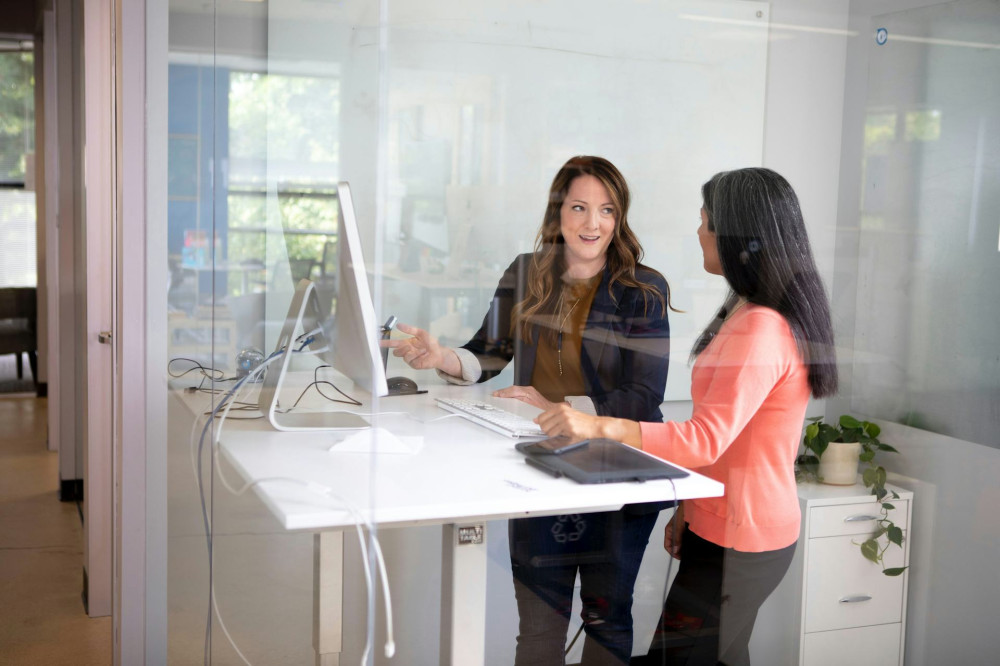
- Work zone: A well-lit corner with privacy for remote work, studying, or creative projects.
- Flexible living zone: A space that can shift from play area to guest room or hobby nook.
- Quiet zone: A retreat for reading, meditation, or simply catching your breath – whether it’s a small den, balcony, or a cozy chair by the window.
Movable furniture, sliding doors, and room dividers make it easy to adapt your home as your needs evolve.
Design with the Future in Mind
When planning renovations or upgrades, think a few steps ahead. The choices you make now can save time, money, and effort later.
- Growing families: Design rooms that can evolve. A nursery can become a study or guest room down the road.
- Aging in place: If you plan to stay long-term, consider accessibility – wider doorways, step-free entries, and good lighting.
- Smart infrastructure: Add extra outlets, strong Wi-Fi coverage, and flexible lighting or climate systems that can adapt as technology advances.
Small decisions today can make a big difference in how easily your home adapts tomorrow.
Læs også:
Light, Air, and Materials That Last
A home that supports you for years should feel good to live in – physically and emotionally. Prioritize natural light, fresh air, and durable materials.
Natural materials like wood, stone, and wool age gracefully and contribute to a healthy indoor environment. Think about how colors and textures affect mood: light tones create calm and spaciousness, while warm hues add comfort and personality.
Make Room for Change
A home that can change with you doesn’t necessarily need more space – just smarter solutions.
- Thoughtful storage: Built-ins, under-bed drawers, and multifunctional furniture free up floor space.
- Modular furniture: Sofas, shelves, and tables that can be rearranged or expanded make it easy to refresh your layout.
- Flexible lighting: Adjustable lamps and dimmable fixtures let you shift from work mode to relaxation with ease.
When you design for change, your home becomes a partner in your lifestyle – not a limitation.
Personal but Timeless
Your home should reflect who you are, but it doesn’t have to be tied to passing trends. Choose a timeless foundation – neutral walls, classic materials, clean lines – and layer in personality through color, textiles, and art that can be updated as your tastes evolve.
That way, you can refresh your home’s look without starting from scratch.
A Home That Grows with You
Designing your home for the life you live – and the one ahead – isn’t about predicting every change. It’s about creating flexibility, comfort, and balance. A well-designed home can carry you through life’s stages: from busy family years to quieter days, from remote work to retirement, from change to continuity.
When you plan with care and think long-term, your home becomes more than a place to live – it becomes a place to grow.
Læs også: