Comfortable Indoor Climate All Year Round: Why Good Insulation Matters

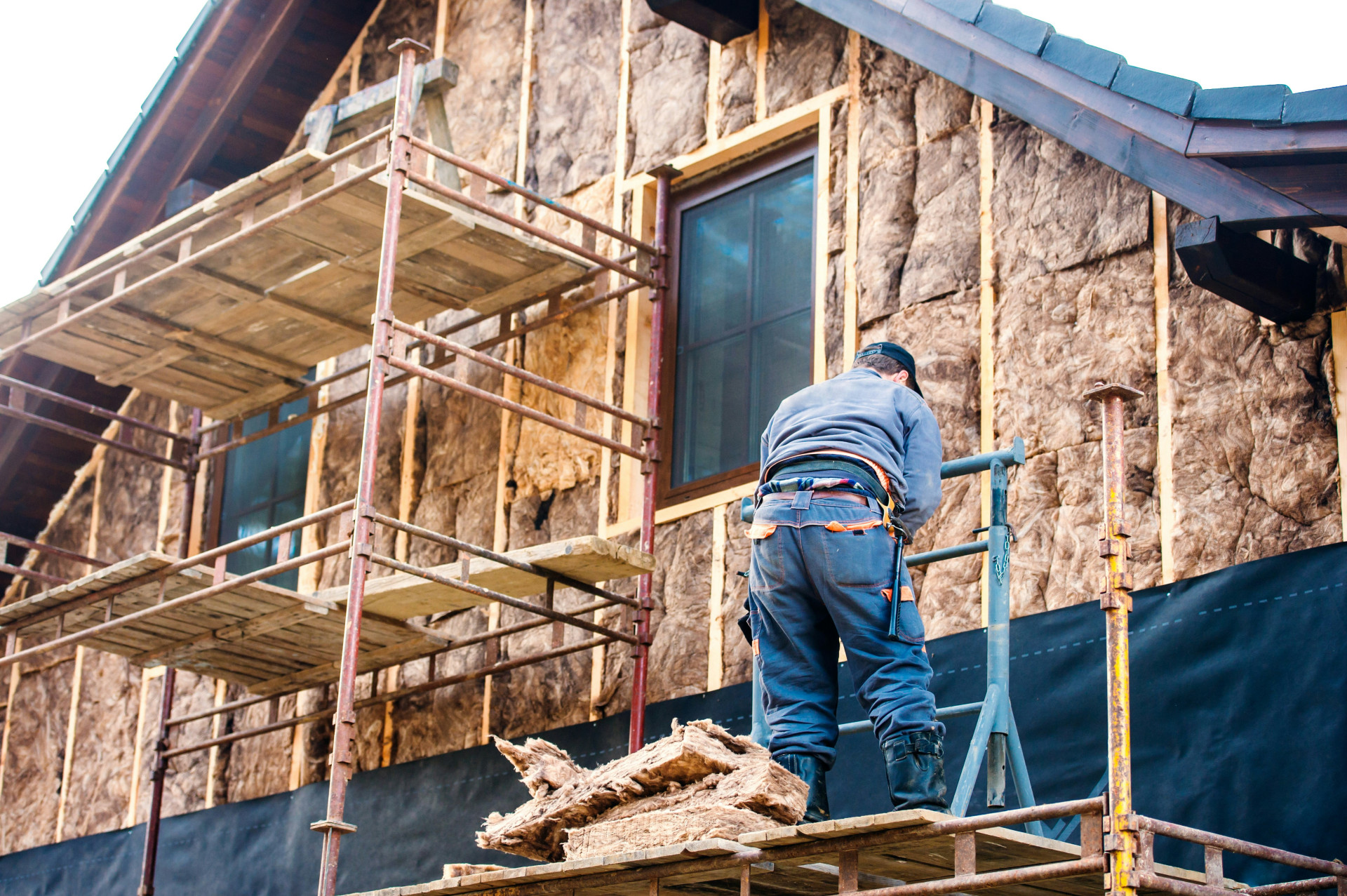
Comfortable Indoor Climate All Year Round: Why Good Insulation Matters
A comfortable indoor climate isn’t just about keeping your home warm in winter or cool in summer—it’s about creating a space that feels pleasant, healthy, and energy-efficient every day of the year. Good insulation is one of the most effective ways to achieve that balance. It helps maintain stable indoor temperatures, reduces energy bills, and protects your home from moisture and drafts. Here’s why insulation matters and how it can make a difference in your home.
What Does Good Insulation Do?
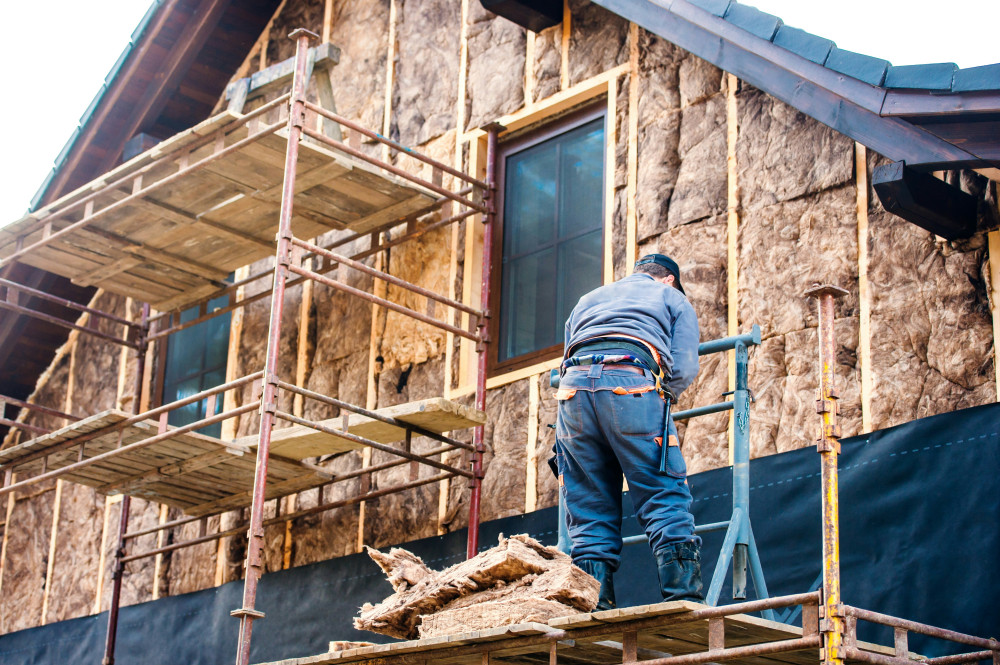
Insulation works by slowing down the transfer of heat through your home’s walls, roof, floors, and windows. In winter, it keeps the warmth inside; in summer, it helps block outdoor heat from entering. The result is a more consistent indoor temperature and less strain on your heating and cooling systems.
Think of insulation as a thermal barrier. It prevents the heat your furnace or heat pump produces from escaping through the walls, and it keeps the summer sun from turning your attic into an oven. With proper insulation, your home stays comfortable with less energy use—and that means lower utility bills.
Everyday Comfort and Health
A poorly insulated home can feel drafty and uneven in temperature. Cold walls and floors in winter can make rooms uncomfortable, even when the thermostat is set high. In summer, inadequate attic or wall insulation can make upper floors unbearably hot.
When your home is well insulated, the temperature stays more even from room to room. You’ll notice fewer cold spots, less condensation on windows, and a more pleasant indoor environment overall. Proper insulation also helps prevent moisture buildup, which can lead to mold growth and indoor air quality issues. That’s not just good for your comfort—it’s good for your health.
Saving Money and Energy
Insulation is one of the smartest home improvements you can make from a financial standpoint. By reducing heat loss and gain, you use less energy to maintain a comfortable temperature. According to the U.S. Department of Energy, homeowners can save up to 15% on heating and cooling costs by adding insulation in attics, crawl spaces, and basements.
Those savings add up over time, and the environmental benefits are just as important. Using less energy means reducing your home’s carbon footprint. Whether your home is heated with natural gas, electricity, or oil, better insulation helps you live more sustainably.
Læs også:
Where to Start
If you’re considering improving your home’s insulation, start by identifying where heat loss is greatest. Common problem areas include:
- Attic and roof – Heat rises, so an under-insulated attic can be a major source of energy loss.
- Exterior walls – Older homes, especially those built before modern energy codes, often have little or no wall insulation.
- Floors and crawl spaces – Insulating floors above unheated spaces can make a big difference in comfort.
- Windows and doors – Air leaks and single-pane glass can undermine even the best wall insulation.
A professional energy audit can help pinpoint where your home is losing energy and recommend the most cost-effective improvements.
Insulation and Ventilation: A Balanced Approach
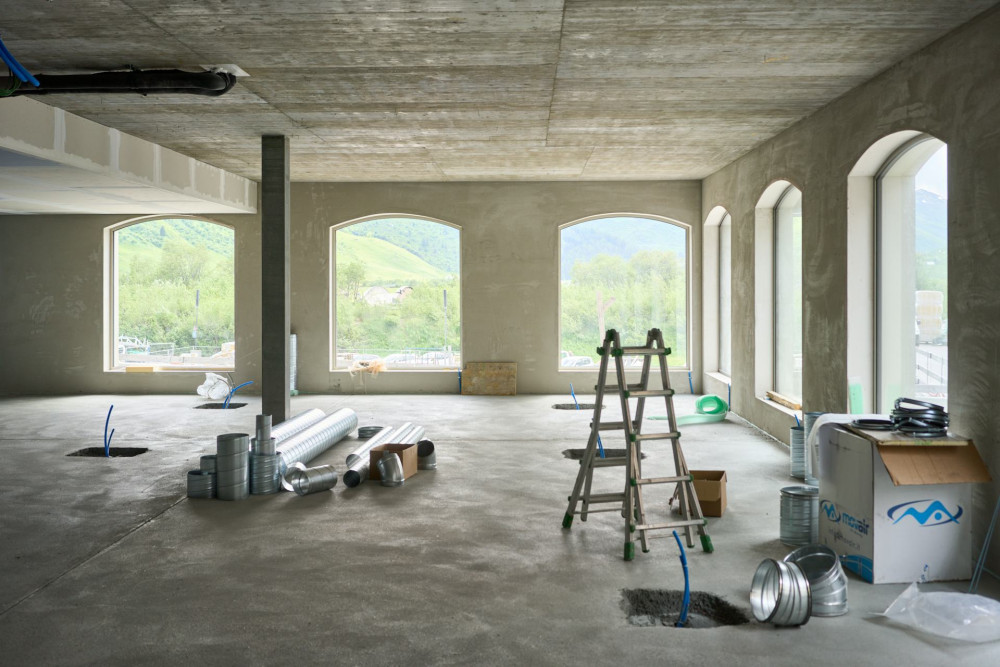
As you improve insulation and seal air leaks, your home becomes tighter—which is great for energy efficiency but can trap moisture and pollutants inside. That’s why proper ventilation is essential. A balanced ventilation system, such as one with heat recovery, ensures a steady supply of fresh air without wasting energy.
Good insulation and good ventilation go hand in hand. Together, they create a home that’s both energy-efficient and healthy to live in.
A Home That Feels Right All Year
Insulation isn’t just about saving money—it’s about improving your quality of life. A well-insulated home feels calm, consistent, and comfortable no matter the season. You’ll enjoy fewer drafts, more stable temperatures, and cleaner air, all while reducing your environmental impact.
Whether you live in a century-old farmhouse or a modern suburban home, upgrading your insulation is one of the best investments you can make. It’s a step toward a home that feels just right—every day of the year.
Læs også: