Train Your Taste Buds – Discover the Difference When You Pair Wine and Food

Train Your Taste Buds – Discover the Difference When You Pair Wine and Food
Pairing wine and food isn’t just for sommeliers or fine-dining restaurants. It’s a sensory experience anyone can learn to enjoy—and it can turn an ordinary dinner into something memorable. When you train your taste buds and start to understand how wine and food interact, you’ll notice flavors and textures you may never have paid attention to before. Here’s how you can start exploring the art of pairing and discover the difference it makes.
Your Taste Buds as a Tool
Taste isn’t only about what you like—it’s about balance. Sweet, sour, salty, bitter, and umami are the five basic tastes that shape every dish and every wine. Once you learn to recognize them, it becomes easier to understand why certain combinations work better than others.
A good way to practice is to taste mindfully: take small bites, chew slowly, and notice how the flavor evolves. Do the same with your wine—observe whether it feels crisp, full-bodied, dry, fruity, or spicy. The more you practice, the sharper your palate becomes.
Basic Principles for Wine and Food Harmony
There are no strict rules, but a few guiding principles can help you find balance:
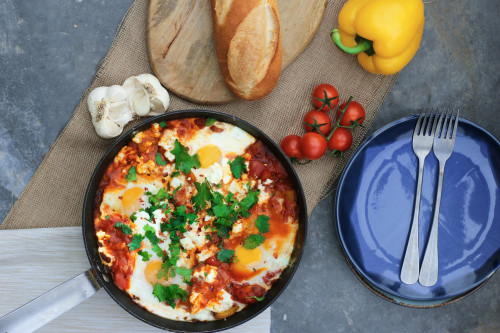
- Acid meets acid: Wines with bright acidity pair beautifully with dishes that have a tangy element, like salads with vinaigrette or tomato-based sauces. If the wine has less acidity than the food, it can taste dull.
- Sweet with sweet: When serving dessert, choose a wine that’s at least as sweet as the dish. Otherwise, the wine may taste bitter or flat.
- Salt and richness love each other: Salty foods can balance wines with higher alcohol or richness, such as an oaked Chardonnay or a bold red.
- Spice and fruit: Spicy dishes often pair best with wines that have a touch of sweetness or ripe fruitiness, which helps soften the heat.
- Tannin and protein: Red wines with firm tannins—like Cabernet Sauvignon or Malbec—become smoother when paired with protein-rich, fatty foods such as steak or lamb.
These principles are great starting points, but the real key is to taste and see what works for you.
Practice with Simple Tasting Experiments
You don’t need a fancy dinner to train your palate. Try small experiments at home:
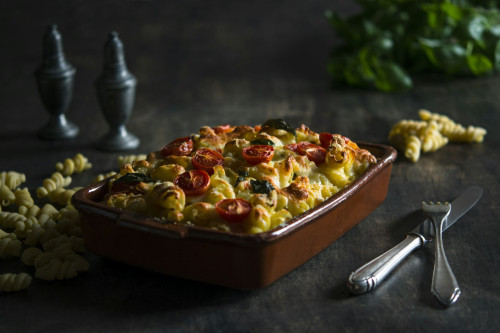
- Make a simple pasta with tomato sauce and taste it with both a crisp white wine and a light red. Which one feels more balanced?
- Serve a piece of cheese with both a dry and a sweet wine—notice how the flavors shift.
- Try a chocolate dessert with different wines: a dry red, a port, and a sparkling wine. Which pairing feels most harmonious?
By comparing directly, you’ll quickly learn how wine’s character interacts with food.
Læs også:
Learn to Describe What You Taste
Putting words to your tasting experiences helps you remember and understand them. Use simple terms: fresh, round, spicy, tart, smooth, dry. You can also note how the wine changes after a bite of food. Does it taste fruitier? Does it lose some freshness? Or does a new balance appear?
Keeping a small tasting journal can be a fun way to track your progress—and a helpful reference when choosing wine for future meals.
Make It an Experience
Training your taste buds isn’t about memorizing rules—it’s about curiosity. Invite friends or family for a tasting night where you try different pairings and talk about what you notice. It’s a great way to share conversation and discover new favorites together.
You can also visit local wine bars or restaurants where staff are happy to explain their pairing choices. It’s a great source of inspiration and ideas for your own experiments at home.
Taste, Learn, and Enjoy the Journey
The more you taste, the better you’ll understand your own preferences. There are no “right” answers—only experiences that fit your palate. Once you start thinking about how wine and food play together, you’ll open a new world of flavor—and every meal becomes a chance to discover something new.
Læs også: