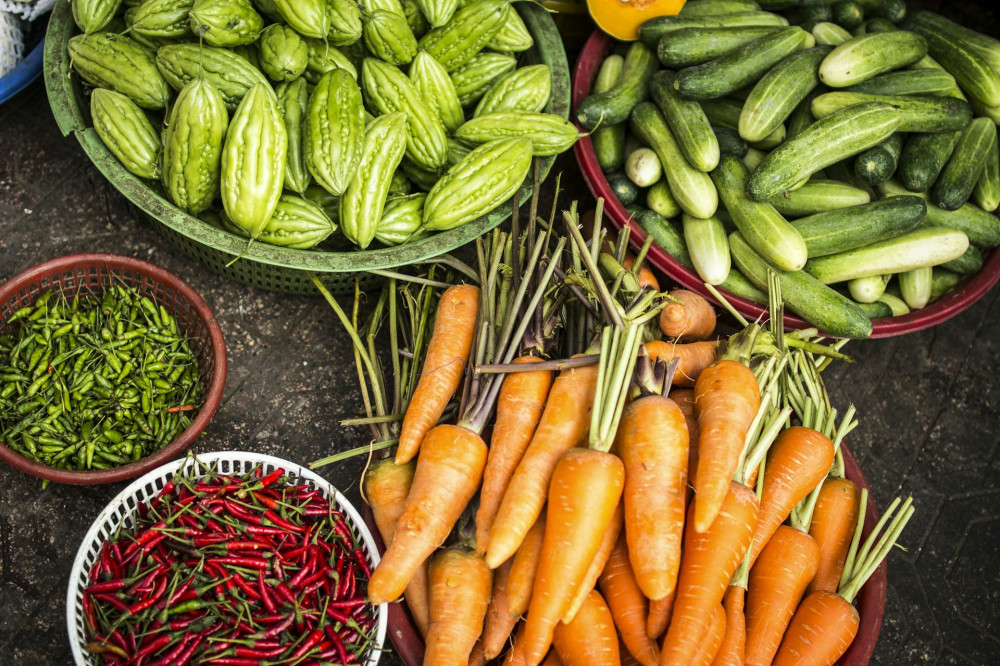
Plant-Based and Nutritious: How to Get Enough Protein and Iron

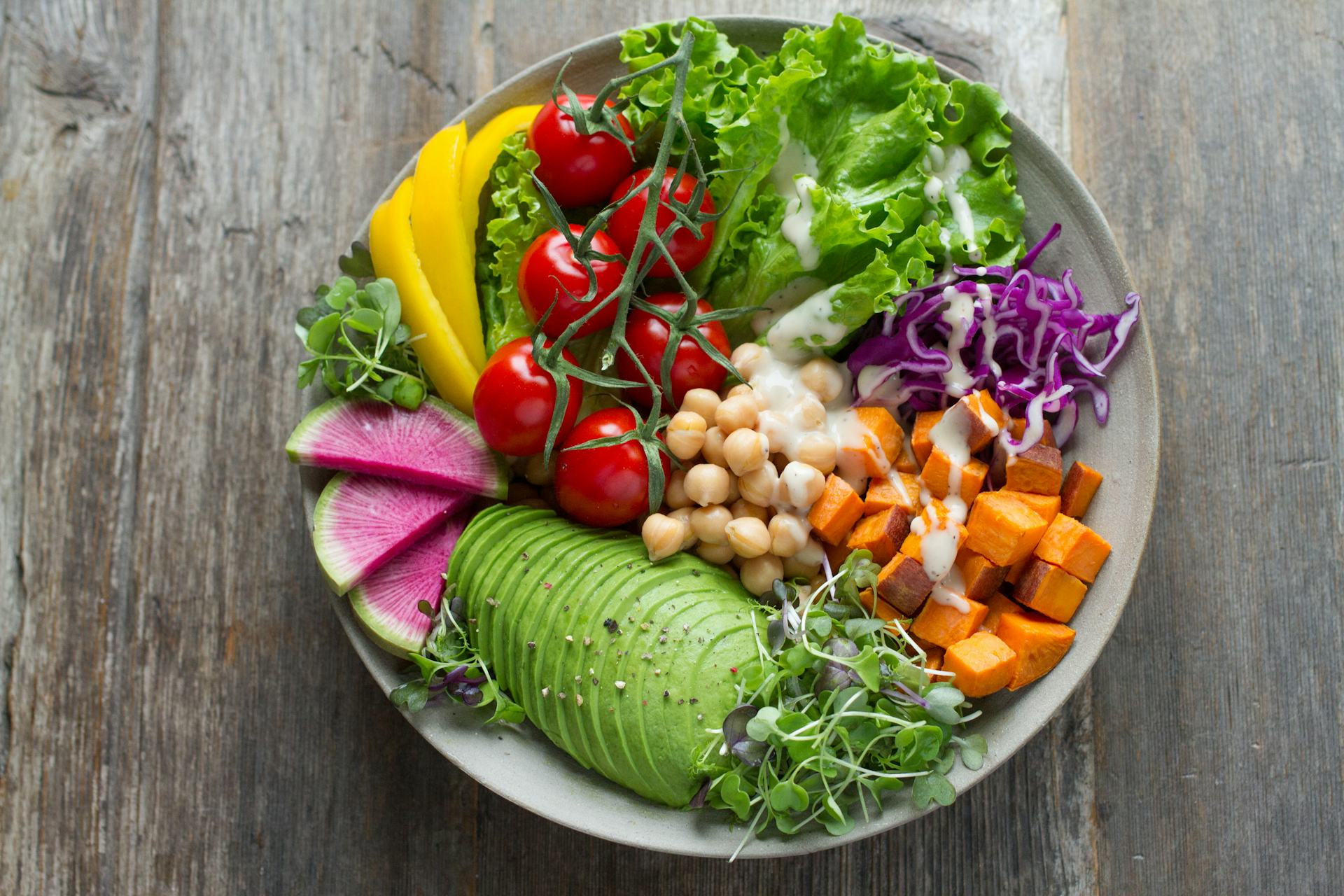
Plant-Based and Nutritious: How to Get Enough Protein and Iron
More Americans are choosing to eat plant-based—whether for health, environmental, or ethical reasons. But when you cut back on meat and animal products, one question often comes up: am I getting enough protein and iron? The good news is that a well-planned plant-based diet can easily meet your body’s needs. Here’s how to make sure you’re getting the nutrients that keep you strong and energized.
Protein – The Building Block of the Body
Protein is essential for building and maintaining muscles, hormones, and many vital processes. While meat, eggs, and dairy are well-known sources, plants offer plenty of protein too.
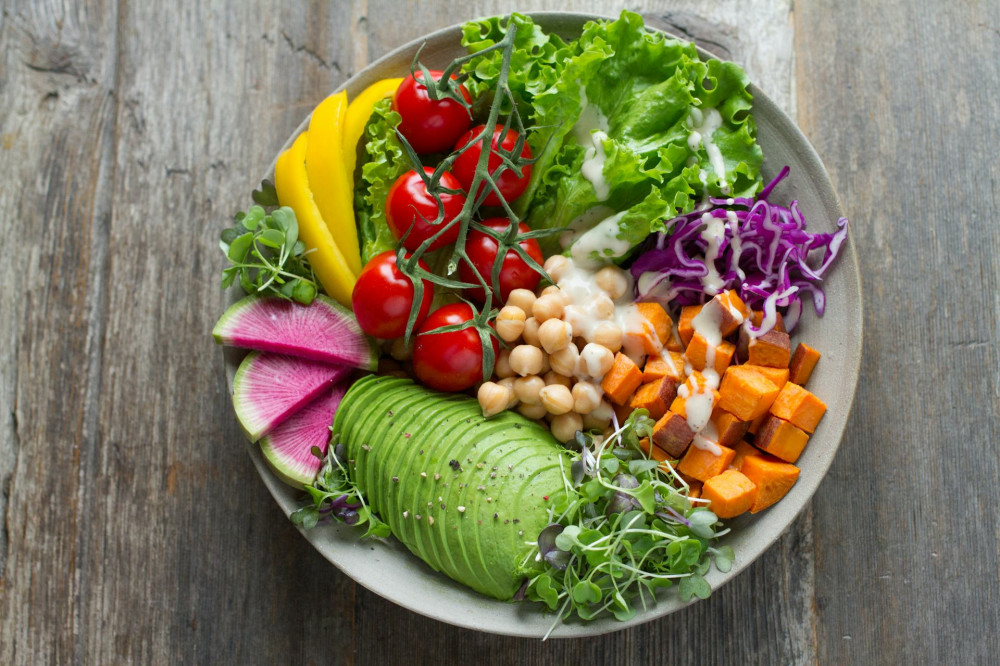
- Legumes such as lentils, chickpeas, black beans, and peas are excellent sources of plant protein. They work well in soups, salads, tacos, and spreads.
- Whole grains like oats, quinoa, brown rice, and barley also contribute protein—especially when paired with legumes.
- Nuts and seeds—including almonds, sunflower seeds, chia, and hemp seeds—provide both protein and healthy fats.
- Soy products such as tofu, tempeh, and edamame are rich in protein and contain all essential amino acids.
A helpful tip is to vary your protein sources throughout the day. Different plants contain different amino acids, and by combining foods like rice and beans or hummus and whole-grain pita, you’ll get a complete protein profile.
Iron – Energy and Oxygen for the Body
Iron plays a key role in carrying oxygen through your blood and supporting energy production. Low iron levels can lead to fatigue, dizziness, and poor concentration. Plant-based foods contain non-heme iron, which is absorbed less efficiently than the heme iron found in meat—but with a few smart strategies, you can boost absorption.
Good plant-based sources of iron include:
- Legumes, especially lentils, kidney beans, and soybeans
- Dark leafy greens such as spinach, kale, and collard greens
- Whole grains and oatmeal
- Dried fruits like apricots, figs, and raisins
- Nuts and seeds, particularly pumpkin seeds and sesame seeds
To enhance iron absorption, pair iron-rich foods with vitamin C. A glass of orange juice, some bell pepper slices, or fresh fruit with your meal can make a big difference. Try to avoid drinking coffee or tea right with meals, as they can reduce iron absorption.
Planning and Variety Are Key
Eating plant-based doesn’t have to be complicated, but a little planning helps ensure you get all the nutrients you need. Aim for meals that include:
- A protein source (beans, tofu, nuts, or seeds)
- A carbohydrate source (whole grains, potatoes, or root vegetables)
- Colorful vegetables for vitamins, minerals, and fiber
- A source of healthy fats, such as avocado, olive oil, or nuts
If you follow a fully vegan diet, consider supplementing with vitamin B12, vitamin D, and possibly omega-3 fatty acids from algae oil. Talk with your healthcare provider or a registered dietitian to find what’s right for you.
Small Changes, Big Impact
You don’t have to go all-in overnight. Many people find it easier to start with a few plant-based days each week and expand from there. Try swapping the meat in chili for lentils, making a creamy pasta with chickpeas, or using tofu instead of chicken in a stir-fry.
Once you get comfortable with plant-based ingredients, you’ll discover that meals can be satisfying, flavorful, and full of variety.
Læs også:

A Healthy and Sustainable Balance
Eating plant-based isn’t just about cutting things out—it’s about adding more variety, color, and nutrients to your plate. With a little knowledge about protein and iron, you can enjoy a diet that supports your health and the planet, without sacrificing taste or energy.
Læs også: