Self-Driving Cars and Electrical Technology – A Partnership in Progress

Self-Driving Cars and Electrical Technology – A Partnership in Progress
Self-driving cars are no longer just a futuristic dream—they are becoming part of everyday reality. Behind this transformation lies a network of technologies, with electrical engineering at its core. The combination of electric propulsion, advanced sensors, and artificial intelligence is creating a partnership that could redefine transportation and daily life. But how exactly do these technologies work together, and what does this mean for the future of mobility in the United States?
Electrical Technology as the Foundation of Autonomy
Autonomous vehicles rely on vast amounts of energy to power sensors, cameras, radar, and onboard computing systems. Electrical technology provides the foundation for this. Electric drivetrains not only deliver efficient power but also offer a level of control and flexibility that traditional combustion engines cannot match.
In an electric vehicle, energy can be distributed precisely between the motor, battery, and the many electronic systems that guide the car. This makes it easier to integrate the complex control systems required for self-driving technology. Fewer moving parts and lower maintenance needs also make electric vehicles more stable platforms for automation—an important factor in ensuring reliability and safety.
Sensors, Data, and Power – A Close Connection
A self-driving car is essentially a computer on wheels. It constantly collects data from its surroundings through cameras, lidar, and radar, creating a 360-degree view of the road. These systems demand both precision and a steady power supply.
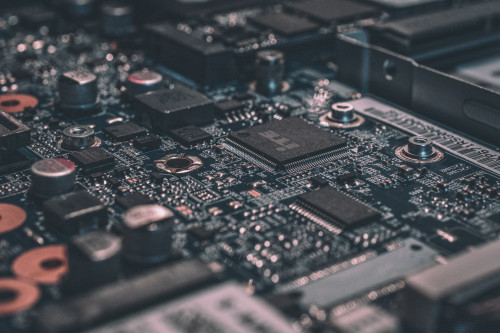
Here again, electrical technology plays a crucial role. High-performance batteries and intelligent power management systems ensure that sensors and processors operate reliably, even under challenging conditions. Meanwhile, new semiconductor materials and power electronics are being developed to handle massive data flows efficiently without overheating or wasting energy.
Artificial Intelligence and the Power Grid as Partners
Artificial intelligence is the brain of the self-driving car, analyzing data and making split-second decisions. But AI also consumes energy—both inside the vehicle and in the data centers where algorithms are trained. This makes the relationship between electrical technology and digital infrastructure increasingly important.
As more vehicles become electric and autonomous, they will also interact with the power grid. Imagine a future where cars automatically charge when electricity is cheapest or even feed energy back into the grid during peak demand. This concept, known as vehicle-to-grid (V2G) technology, could turn the transportation sector into an active participant in the nation’s energy system rather than just a consumer.
Læs også:

Safety, Ethics, and Infrastructure in an Electric Future
As vehicles become both electric and autonomous, new questions arise about safety, responsibility, and infrastructure. Who is accountable if a self-driving car makes a wrong decision? How can data security be guaranteed when vehicles are constantly connected? And how can the U.S. power grid handle the growing demand for charging thousands of vehicles simultaneously?
Researchers and engineers are working on solutions that combine robust electrical systems with advanced cybersecurity and ethical frameworks. At the same time, federal and state governments are investing in charging networks and smart-grid technologies to support this transition. The goal is to create a system where innovation and public trust evolve together.
A Partnership Shaping the Future
Self-driving cars and electrical technology are two sides of the same technological evolution. One cannot advance without the other. Electrification provides the energy and flexibility needed for autonomy, while automation makes transportation more efficient, safer, and more sustainable.
The United States stands at the forefront of this transformation, where the boundaries between vehicle, computer, and energy system are becoming increasingly blurred. It is a partnership in progress—one that will shape how Americans move, work, and live for decades to come.
Læs også: