Presence as Prevention: Actively Integrate Relaxation into Your Lifestyle

Presence as Prevention: Actively Integrate Relaxation into Your Lifestyle
In a culture that prizes productivity and constant connection, relaxation often becomes something we only allow ourselves when we’re completely drained. But relaxation isn’t a luxury—it’s a necessity for both body and mind. Actively integrating calm and presence into your daily life can help prevent stress, improve sleep, and strengthen your mental resilience.
Relaxation as an Active Choice
Many people associate relaxation with doing nothing—collapsing on the couch or scrolling through social media. But true relaxation is not passive; it’s a conscious act of giving your nervous system permission to rest. It requires awareness and intention.
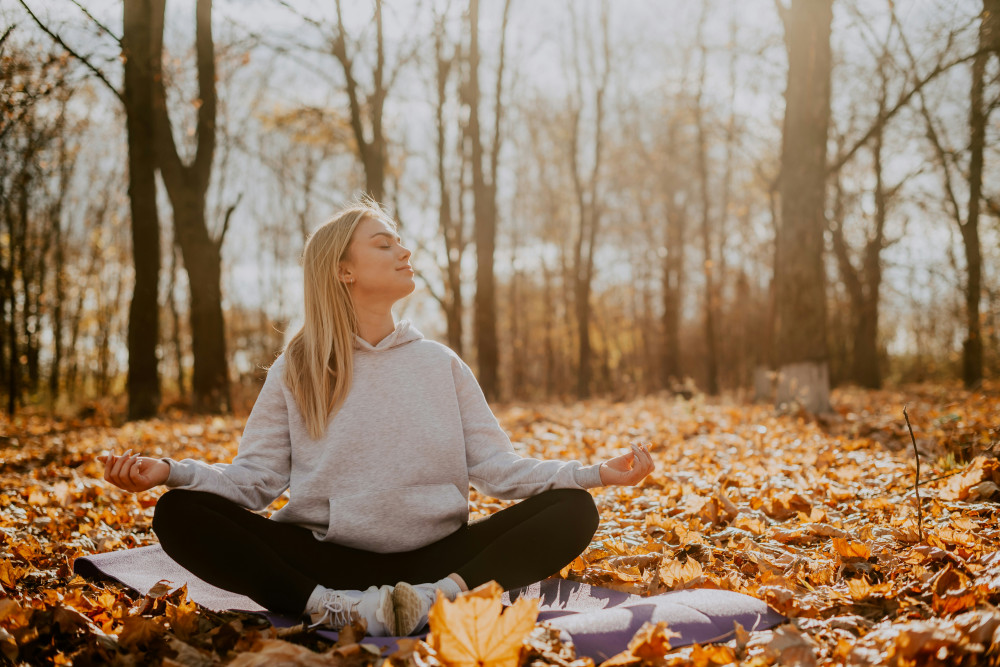
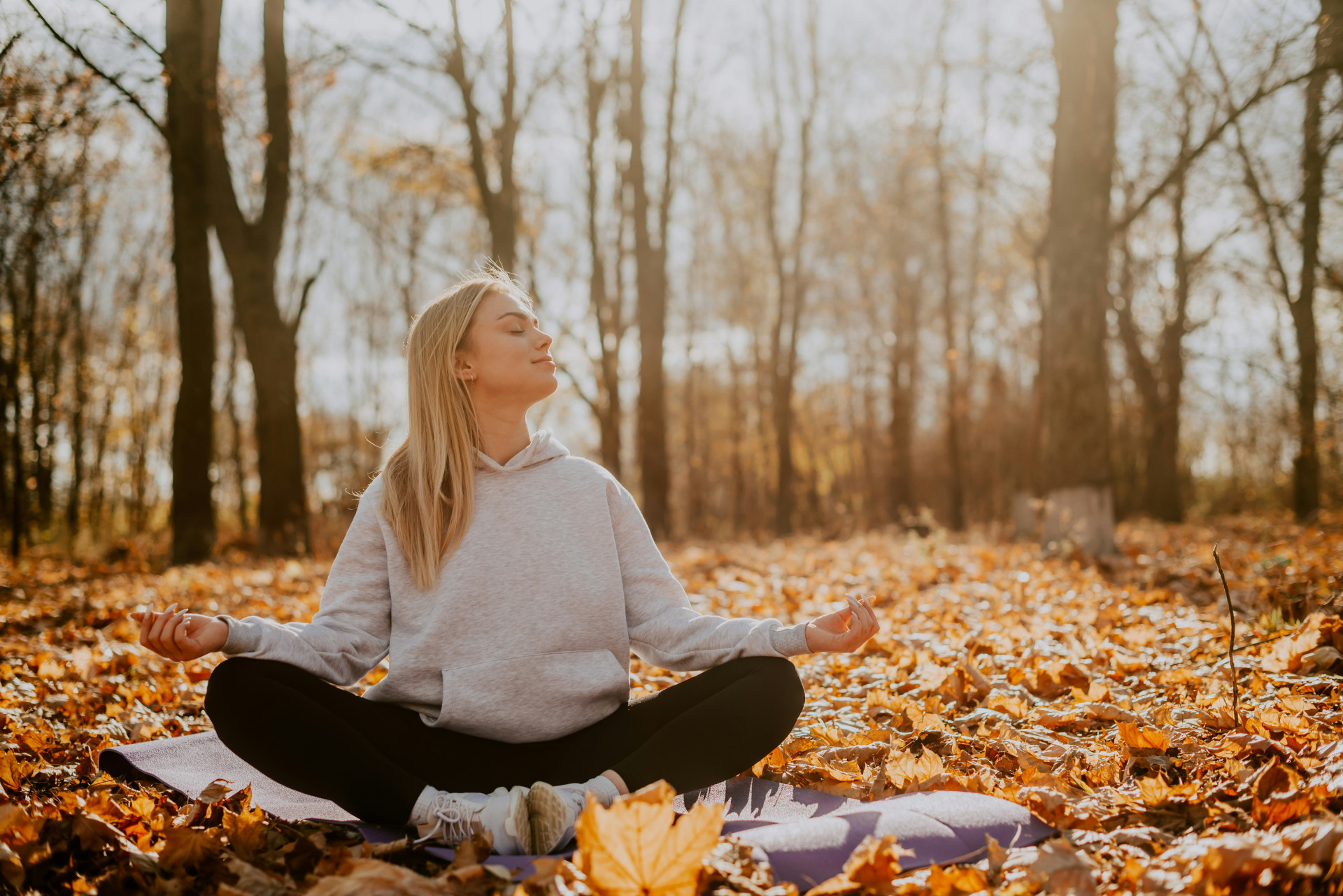
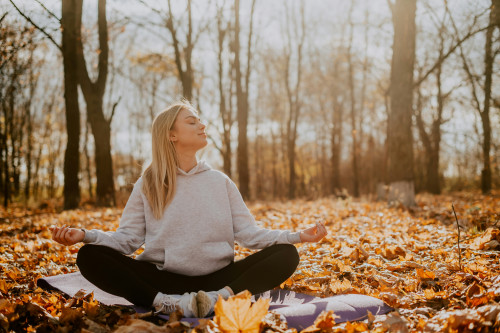
When you deliberately choose to relax, you send a signal to your body that it’s safe. That might mean taking a few deep breaths, going for a quiet walk, meditating, or simply sitting in silence without distractions. The key is to do it with purpose—not as a break between tasks, but as a meaningful part of your daily rhythm.
Presence as an Antidote to Overstimulation
We live in an age of constant alerts, emails, and notifications. Our attention is pulled in multiple directions, leaving little room for mental rest. Practicing presence—being fully engaged in what you’re doing—can serve as a form of mental training.
It can be as simple as drinking your morning coffee without checking your phone, feeling your feet on the ground as you walk, or listening attentively when someone speaks to you. These small moments of awareness help calm the stress response and strengthen your ability to notice your own needs. Over time, this builds resilience against pressure and change.
Create Rituals for Calm
Relaxation becomes easier to prioritize when it has a regular place in your day. Consider creating small rituals that mark the transition between activity and rest.
- Morning calm: Begin your day with a few minutes of quiet breathing before diving into work or responsibilities.
- Microbreaks: Take short pauses throughout the day to stretch, breathe, or simply close your eyes.
- Evening wind-down: End your day with a calming routine—dim the lights, turn off screens, and do something that signals to your body it’s time to rest.
These small habits may seem insignificant, but their cumulative effect can be profound.
Listening to the Body
Your body often knows when your pace is too high. Tension, headaches, or trouble sleeping are signals worth paying attention to. Instead of pushing through, use them as reminders to slow down.
Movement can also be a form of relaxation—especially when it’s free from performance goals. A gentle walk, restorative yoga, or simple stretching can help release tension and reconnect you with the present moment.
Læs også:



Prevention Through Balance
Integrating relaxation into your lifestyle isn’t about withdrawing from life—it’s about creating balance. When you regularly give yourself time to recover, you prevent stress and exhaustion from taking over.
It’s an investment in your well-being—not just to feel good now, but to stay grounded and capable in the long run.
A Lifestyle with Room for Stillness
Relaxation and presence aren’t the opposite of productivity—they’re its foundation. When you learn to give yourself quality breaks, you become more focused, decisive, and engaged in what truly matters.
Actively integrating relaxation into your lifestyle isn’t a matter of finding extra time—it’s a matter of choosing calm, again and again, in the midst of everyday motion.
Læs også: