Find the Makeup That Matches Your Skin Tone and Enhances Your Natural Look

Find the Makeup That Matches Your Skin Tone and Enhances Your Natural Look
Finding the right makeup isn’t about covering up—it’s about bringing out your best features. When you choose products that complement your skin tone and undertone, you can create a natural, balanced look that enhances your complexion without feeling heavy or overdone. Here’s a guide to help you discover the shades and products that work best for you.
Know Your Skin Tone and Undertone
The first step is understanding your skin tone—how light or deep your skin is—and your undertone, which is the subtle hue beneath the surface. Your undertone determines whether your skin has a warm, cool, or neutral cast.
- Warm undertone: Your skin has golden, peach, or olive hues. Gold jewelry and earthy tones tend to flatter you.
- Cool undertone: Your skin has pink, red, or bluish tones. Silver jewelry and cool shades like blue, purple, and gray usually look best.
- Neutral undertone: A mix of both warm and cool tones—you can wear a wide range of colors comfortably.
A quick trick: look at the veins on your wrist. If they appear blue or purple, you likely have a cool undertone. If they look green, you’re probably warm. If you can’t tell, you may be neutral.
Choose the Right Foundation
Foundation sets the stage for a natural look. It should match your skin tone as closely as possible—neither too light nor too dark. Always test foundation in natural light, and try it along your jawline where your face meets your neck. The right shade should blend seamlessly into your skin.
If you have dry skin, go for a hydrating, lightweight foundation or a tinted moisturizer. For oily skin, choose an oil-free or matte formula. And remember: less is more. Apply only where you need coverage—around the nose, chin, and cheeks, for example.
Add Warmth and Color with Blush and Bronzer
Blush and bronzer bring life and dimension to your face.
- If you have a warm undertone, try peach, coral, or warm rose blushes.
- If you have a cool undertone, go for berry, plum, or cool pink shades.
Use bronzer sparingly—it should add warmth, not change your skin color. Apply it where the sun naturally hits your face: forehead, nose, cheeks, and chin.
Eyes and Lips: Create Harmony with Color
Your undertone can also guide your choices for eyeshadow and lipstick.
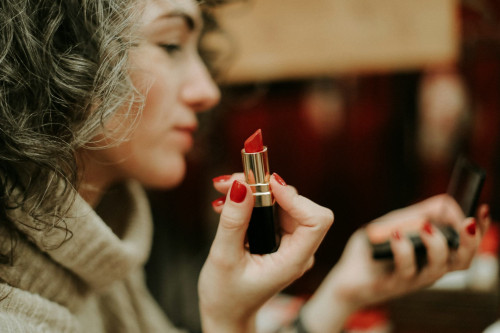
- Warm undertone: Opt for gold, copper, and bronze shades on the eyes. For lips, coral, warm red, and terracotta are flattering.
- Cool undertone: Try gray, mauve, and silver tones for eyes. For lips, look for berry, cool red, or pink hues.
- Neutral undertone: You can experiment with both warm and cool shades depending on your mood or the occasion.
A good rule of thumb: highlight one feature at a time—either your eyes or your lips—to keep your look fresh and natural.
Læs også:


Light, Shadow, and Highlighter
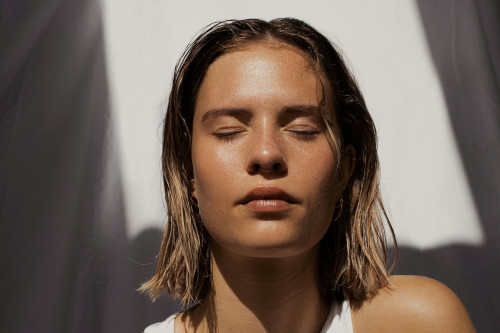
Highlighter can give your skin a healthy, radiant glow when used in moderation. Apply a small amount to the tops of your cheekbones, the bridge of your nose, and your cupid’s bow. Choose a shade that complements your undertone: champagne or gold for warm tones, pearl or silver for cool tones.
To add subtle definition, use a light contour under your cheekbones and along your jawline. The goal isn’t to reshape your face but to enhance its natural structure.
Prep and Care: The Foundation of a Natural Look
Makeup always looks best on well-cared-for skin. Cleanse, moisturize, and protect your skin daily. A good primer can smooth the surface and help your makeup last longer.
And remember, makeup doesn’t have to be a daily routine. Some days, a touch of concealer, mascara, and lip balm is all you need to feel polished and confident.
Find Your Own Style
There are no strict rules—only guidelines. The most important thing is that you feel comfortable and confident. Makeup should highlight who you are, not hide it. When you understand your skin tone and choose colors that harmonize with it, your look will feel effortless, natural, and uniquely you.
Læs også: